Inventory and Equipment Log Book for KDP: A Practical Tool for Digital Self-Publishing
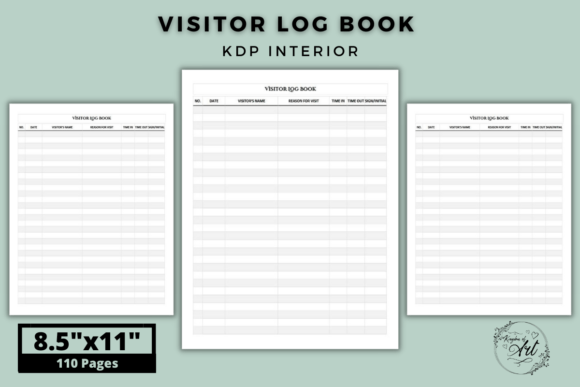
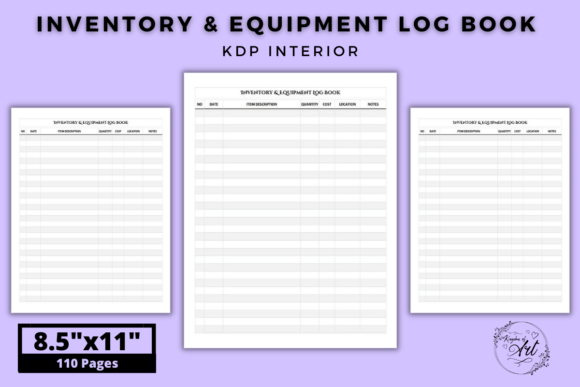
For creators, entrepreneurs, and small business owners looking to streamline their daily operations, an Inventory and Equipment Log Book for KDP can be a game-changer. This digital product is specifically designed for use on platforms like Kindle Direct Publishing (KDP), offering a structured way to track items, equipment, and activities. With its blank table format featuring seven columns, it allows users to record details such as date, item description, quantity, and more. Whether you're managing a creative project, running a side business, or simply keeping track of your tools, this log book provides a clear and organized approach to documentation.
Why People Choose the Inventory and Equipment Log Book for KDP
The appeal of the Inventory and Equipment Log Book for KDP lies in its simplicity and adaptability. It’s ideal for anyone who needs a reliable system to monitor their assets, tasks, or daily activities. The 8.5 x 11 size ensures it’s easy to print and handle, while the 110 pages offer ample space for detailed tracking. Since it’s a blank ink and white paper design, users can customize it to fit their specific needs. The PDF format makes it easy to upload directly to KDP, and the high-resolution, print-ready file ensures professional-quality results.
Many users appreciate the editable nature of the file, which allows them to personalize their log book with branding, notes, or additional information. This flexibility makes it a valuable resource for professionals who want to maintain consistency across their projects or businesses.
Common Mistakes When Using an Inventory and Equipment Log Book for KDP
Despite its benefits, there are several common mistakes that users may make when working with an Inventory and Equipment Log Book for KDP. One of the most frequent errors is not planning ahead. Without a clear structure or purpose, the log book can become a disorganized collection of entries that lack meaningful insights. For example, if you only fill in the date and item without adding context, you may find it difficult to refer back to past records later.
Another mistake is failing to check the file specifications before uploading it to KDP. While the log book is designed to be print-ready, some users may overlook details like bleed settings or resolution requirements. This can lead to issues during printing, such as misaligned text or blurry images. Additionally, not testing the file on different devices or printers can result in unexpected formatting problems.
How These Mistakes Can Impact Your Experience
Ignoring these details can affect the usability, efficiency, and quality of your log book. If the file isn’t properly formatted, it may not look professional when printed, which could harm your brand image. Similarly, if the data is incomplete or inconsistent, you may struggle to track your inventory effectively, leading to confusion or lost items.
For instance, imagine you’re a freelance photographer using the log book to track your equipment. If you don’t consistently record the condition of each item, you might end up using damaged gear without realizing it. This could compromise the quality of your work and lead to unnecessary expenses.
Practical Tips for Getting the Most Out of Your Inventory and Equipment Log Book for KDP
To avoid these pitfalls, start by defining how you’ll use the log book. Are you tracking inventory for a small business? Monitoring daily tasks as a creator? Or recording equipment usage for a project? Having a clear purpose will help you structure your entries and ensure the log book remains useful over time.
Next, take the time to review the file specifications before uploading it. Make sure the resolution is high enough for print, and check that there are no bleed issues. You can also test the file on different devices to ensure it displays correctly. If you’re unsure about editing the file, consider using a simple PDF editor to add your branding or notes without altering the original layout.
Finally, establish a routine for updating the log book. Whether it’s daily, weekly, or monthly, consistency is key to maintaining accurate records. For example, a small business owner might set aside 10 minutes at the end of each day to update the log with new inventory or equipment changes. This habit ensures that the log book stays current and remains a valuable tool for decision-making.
What to Check Before Using an Inventory and Equipment Log Book for KDP
Before you begin using the Inventory and Equipment Log Book for KDP, there are a few important factors to consider. First, verify that the file meets KDP’s formatting guidelines. This includes checking the page size, margins, and resolution to ensure it prints correctly. You should also confirm that the file is editable if you plan to customize it with your own content.
Additionally, think about how you’ll organize your data. Will you use the seven-column table as-is, or will you need to adjust the layout? Some users may prefer to add extra fields or headers to better suit their needs. By planning ahead, you can avoid last-minute adjustments that may disrupt your workflow.
Lastly, consider the long-term value of the log book. Is it something you’ll use regularly, or is it a one-time project? If you anticipate needing multiple copies or versions, look for options that allow for easy duplication or customization.
Conclusion: Make Informed Choices for Better Results
The Inventory and Equipment Log Book for KDP is a powerful tool for anyone looking to stay organized and efficient. By understanding how to use it effectively and avoiding common mistakes, you can maximize its value and improve your overall productivity. Whether you’re a writer, entrepreneur, or hobbyist, taking the time to plan, check, and maintain your log book will pay off in the long run.
Remember, the goal isn’t just to fill out pages—it’s to create a system that works for you. With the right approach, your log book can become an essential part of your daily routine, helping you keep track of what matters most.